
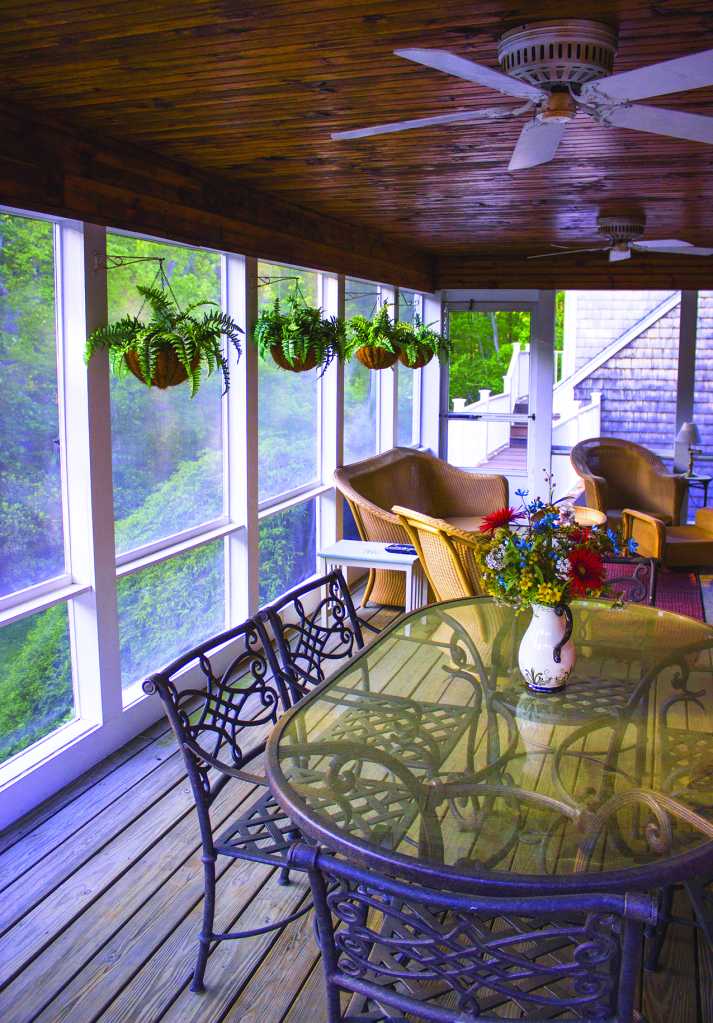
There is no denying the appeal of a sunroom. Sunrooms bring more of the outdoors inside by bridging the gap between home and yard. Demand is shifting, with more than 61% of homeowners now preferring four-season insulated rooms for year-round use, according to Market Reports World. A sunroom has the potential to offer a roughly 50% return on investment and can cost anywhere from $22,000 to $72,000 on average.
To decide if a sunroom really is a worthwhile endeavor, it’s important for homeowners to consider the footprint of their homes/yards, how they plan to use the space, and the amount of sun the home receives.
Home footprint
Professionals with the National Association of Realtors say that a sunroom should not consume more than 30% of the remaining backyard and urge homeowners to avoid over-developing a lot. If installing a sunroom will leave a homeowner with only a small patch of yard afterwards, the result can feel heavy and unbalanced. It also won’t match the neighborhood. Another consideration is the local zoning ordinances where a person lives. The City of Los Angeles, for example, warns that most towns require a setback between the sunroom structure and the property line. It’s also important to look at the home’s roof and whether or not the sunroom will fall right under the eaves or if it will require an expensive tie-in to the existing roof.
Utility
It is vital that homeowners determine how they will use the space and when. This will dictate the type of sunroom that should be built. A three-season room is typically uninsulated with only single-pane glass. This is ideal if someone is looking for a screened-in retreat without all of the bugs and a little weather protection. Four-season rooms are fully insulated and tie into a home’s HVAC system. This space will be functional all year long, but it is a more expensive undertaking as well.
Light evaluation
The purpose of a sunroom is to benefit from the sun. The value of the space will depend entirely on which way the room faces. North-facing sunrooms have soft light with minimal heat or glare that likely can be used all day. Morning people can appreciate an east-facing sunroom while drinking coffee or reading, and the space will cool down in the afternoon. South-facing rooms will be bright most of the day and may need high-end HVAC hookups or shades to stay comfortable, even in cooler months. West-facing sunrooms are great for watching sunsets, but the hot afternoon sun must be considered. UV-rated glass to prevent floor fading and even sunburn likely will be needed. It is important to work with a company that specializes in sunrooms. Such firms are experienced in helping homeowners design and ultimately build these spaces to avoid common pitfalls, advises Champion, a window, sunroom and home exterior company.
-Metro Creative Connection